If you want the evidence, plainly stated
Taking Charge of Adult ADHD
Russell Barkley
The most rigorous adult-facing book on the shelf, by one of the field's most cited researchers. It will not comfort you. The register is clinical, the warmth is low, and it reads like being briefed rather than being met. Start here if you want to know what's actually established before you feel anything about it.
If you want the primary evidence, free
The ADHD Evidence Project
adhdevidence.org
Where the international consensus statement lives: a couple of hundred conclusions drawn from very large studies and meta-analyses, assembled by researchers specifically to counter misinformation. Dry. Also the direct antidote to everything Chapter 3 warned you about, and it costs nothing.
If you want a friend who has done this
How to ADHD
Jessica McCabe (Rodale, 2024)
Grown out of the YouTube channel of the same name, and it carries that voice: warm, practical, unembarrassed, organised for a reader who can't hold a long chapter. Strongest on strategies and on not hating yourself. Lighter on caveats and on where the evidence gets thin — which is fine, because that isn't what it's for.
If you were a girl nobody noticed
Women with Attention Deficit Disorder
Sari Solden
The book that named the territory decades before the current wave, and still the best thing written on the specific shame carried by women who compensated their way through and blamed themselves for the cost. Some terminology is visibly of its era. The emotional accuracy has not dated.
If you want the big comprehensive one
The ADHD Field Guide for Adults
Cate Osborn and Erik Gude (Gallery Books, 2026)
Recent, traditionally published, thorough in the way this book deliberately isn't — it aims to cover the territory rather than walk you through a sequence. Correspondingly thick. Good as a reference to keep; harder to read straight through in the first month.
If it's your relationship that's struggling
The ADHD Effect on Marriage
Melissa Orlov
Chapter 10 opened a door this book doesn't walk through. This one does: the patterns that develop between a diagnosed partner and an undiagnosed one, the parent-child dynamic couples fall into, and how to get out of it. Written for both people, which is rarer than it should be.
If you were diagnosed later in life
Still Distracted After All These Years
Kathleen Nadeau
For readers diagnosed in their fifties, sixties and beyond, where the questions are different: retirement, memory changes that may or may not be this, and grief with a longer arithmetic behind it. A small literature, and this is the accessible entry to it.
If autism is also in the picture
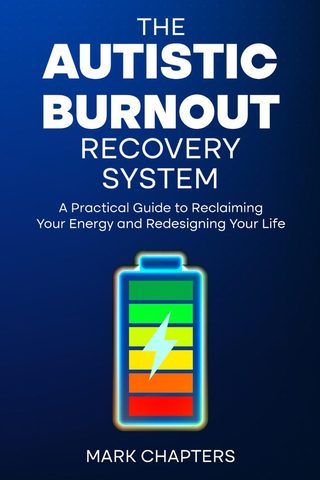
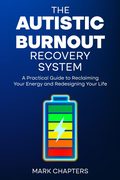
The Autistic Burnout Recovery System
Mark Chapters
Full disclosure: this one is mine, from the same imprint. It's here because Chapter 13 raises a question this book doesn't answer — autistic burnout is a distinct pattern with its own shape and its own recovery, and nothing in the ADHD literature addresses it. If you're AuDHD-identified and running on empty, that's the gap it fills. If you're not, skip it.
 More about this book
Because you will meet it anyway
Scattered Minds
Gabor Maté
Widely read, genuinely moving, and built on a central claim you should know is contested: that ADHD is rooted primarily in early emotional environment. The evidence points elsewhere — heritability across dozens of twin studies sits around three-quarters, comparable to height. Read it for what it says about shame and self-compassion. Don't take the causal account as settled, because it isn't.
When you want people rather than pages
A national ADHD organisation
See the Resources page for current links by country. Free information, local groups, and helplines staffed by people who will not be surprised by anything you say. Quality varies by region and some of it is thin. Still the fastest route from nobody understands this to someone in this room has done it.